

Do Animals Get Killed To Create Makeup
Commodity past Shelley Norris.
Think only leather and meat are murder? Think again. Animal products are lurking within the depths of your make-up drawer. If painting your lips with crushed insects and fish scales sounds truly nauseating, then don't be fooled by the sanitized, attractive packaging information technology comes in.
Sadly, leading cosmetic companies are still lowering themselves to acts of animal cruelty in a bid to lower production costs, hiding animal by-products within their formulas. Thousands of technical and patented names for these animate being ingredients go far increasingly difficult for everyday consumers to recognise the ugly truth backside the products they purchase. If that'due south not confusing enough, some companies even shamefully remove the word 'creature' entirely from their labels to avoid repulsing their customers. Oh, the irony.
So what can we do? Get-go off, awareness goes a long way in the destruction of such practises. Sentinel out for these five common animal products hidden within your favourite cosmetics:
1. Carmine
Derivaties: Carminic Acid

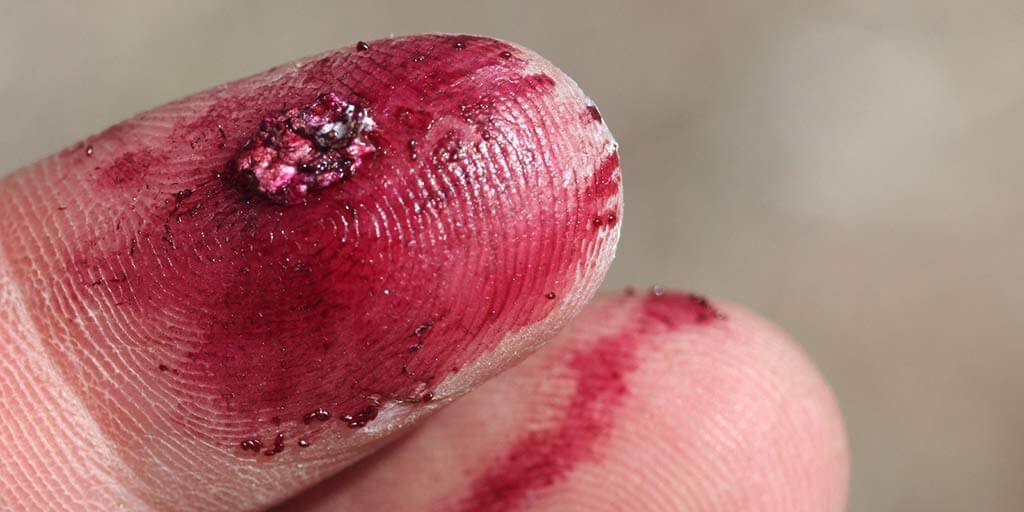
Protrude juice – no, non the movie. This is the bodily extracts of crushed beetles. Cherry dye is the vivid ruby-red pigment produced by the crushing of female cochineal beetles. These niggling critters are commercially harvested in Africa, Spain and Fundamental America. Here is where things become bloody. Their bodies are dried by being burnt alive and then crushed for their extracts. Reportedly, in order to produce ane pound of this dye, 70, 000 beetles must exist killed! So, why is it used? Carmine dye is responsible for the red and pinkish pigments constitute in many cosmetics such every bit lipsticks, lip-glosses and eyeshadows, to name a few. Although this practice has been around for thousands of years, in that location are plenty of establish-based alternatives that produce the same effect. Red lips may exist sexy, but only when they're vegan friendly!
2. Beeswax
Derivatives: Cera Flava

Beeswax? But, beeswax production doesn't injure bees, right? Incorrect. Beeswax is a widely used and very inexpensive product that is found in most lipsticks, lip balms, mascaras, eyeshadows and other skincare products. The wax is obtained through melting honeycomb in water, straining it, and and so cooling it. To produce beeswax in such large quantities, beekeepers are required to truck millions of hives all over the state in lodge to track seasonal crops. This stresses the bees immensely. During this punishing journey, many bees are killed or have their wings and legs torn off due to haphazard handling. Large commercial bee farms as well go to nasty extremes to keep a colony flourishing postal service-dearest harvest. They supplant the natural dear with a cheap, sugary substitute that lacks the nutrition needed for a bee's survival. This bogus food source dramatically weakens bees' immune systems. Don't exist a buzz kill – avoid beeswax!
3. Lanolin
Derivatives: Aliphatic Alcohols, Cholesterin, Isopropyl Lanolate, Laneth, Lanogene, Lanolin Alcohols, Lanosterols, Sterols, Triterpene Alcohols

Lanolin – sounds like a pretty bloom or something, doesn't information technology? Well, in reality, information technology's the kind of substance y'all'd normally like to keep as far abroad from your mouth as possible. Why? Because, lanolin is the waxy substance that is derived from sheep'due south wool. Yes, information technology's that greasy sebum secreted by wool-bearing mammals that repels water off their coats. Oh, and you smear it on your face. Lanolin is used as an emollient in most foam-based cosmetics including lipsticks, lip balms and foundations. Many people believe that lanolin is cruelty free. Unfortunately, however, lanolin is a by-product of wool farming (an inherently cruel industry), and is gathered after the sheep have been shorn. Due to devil-may-care handling, sheep are repeatedly injured during shearing, and sadly, almost all stop up being slaughtered for their meat. Make like Daniel LaRusso and wax off from lanolin (yes, I totally just referenced The Karate Kid).
4. Guanine
Derivatives: pearl essence

Something smells fishy about this one. Oh, right! That's because it is. Put all thoughts of oysters or shiny pearls out of your heed. Guanine, or 'pearl essence' every bit they like to sugar coat information technology, is really fabricated by processing the scraped-off scales of dead fish. This produces a shimmering or light diffusing colouring ingredient normally used in the cosmetics industry to add together lustre to products. Think shimmery lipsticks, lip-glosses and nail polishes. So unless you want a side of chips with your lipstick, buy guanine-free!
5. Tallow
Derivatives: Sodium Tallowate, Tallow Acid, Tallow Amide, Tallow Amine, Talloweth-half-dozen, Tallow Glycerides, Tallow Imidazoline

Tallow – in my opinion, the most repulsive of them all – is rendered fauna fat found typically around the kidneys and other organs of beef. Yum! The procedure consists of humid animal carcasses to create fatty by-products. Sadly, the decomposable animals come from every source imaginable, including lab animals, deadstock, shelter animals and even road kill. Cosmetics companies only employ this product because information technology is bloody inexpensive (pun intended). The harsh reality is, slaughterhouses kill billions of animals every year, and somehow have to dispose of these 'by-products'; selling them to cosmetics manufacturers is one like shooting fish in a barrel solution. Similar lanolin, tallow is used as an emollient in cosmetics like lipsticks, eyeshadow and lather. Render information technology useless and avert tallow-infested products!
The best mode to avert these bloody dazzler products is to buy from certified vegan companies. For a more extensive listing and any additional data, visit PETA.
Leave a comment
Comments volition exist approved before showing up.
Our Latest Articles
Why Cruelty Free Mineral Makeup is Amend + Hotter

With sleeky packaging, lenient laws (or lack of) and misleading marketing, companies tin certainly get out consumers confused near what to buy. So, what'south the deal? Why is mineral makeup a amend choice? Here are 5 honest reasons why mineral makeup is better.
Bloody Beauty - Are Dead Animals in Your Brand-up?

Think only leather and meat are murder? Think again. Beast products are lurking within the depths of your make-upwards drawer. If painting your lips with crushed insects and fish scales sounds truly nauseating, and then don't be fooled by the sanitized, attractive packaging it comes in.
Source: https://www.sugarvenom.com.au/blogs/latest/32215619-bloody-beauty-are-dead-animals-in-your-make-up
Posted by: gutierrezloseem.blogspot.com
0 Response to "Do Animals Get Killed To Create Makeup"
Post a Comment